

The dopamine trap of firefighting at work
Why even the smartest teams stay stuck in crisis
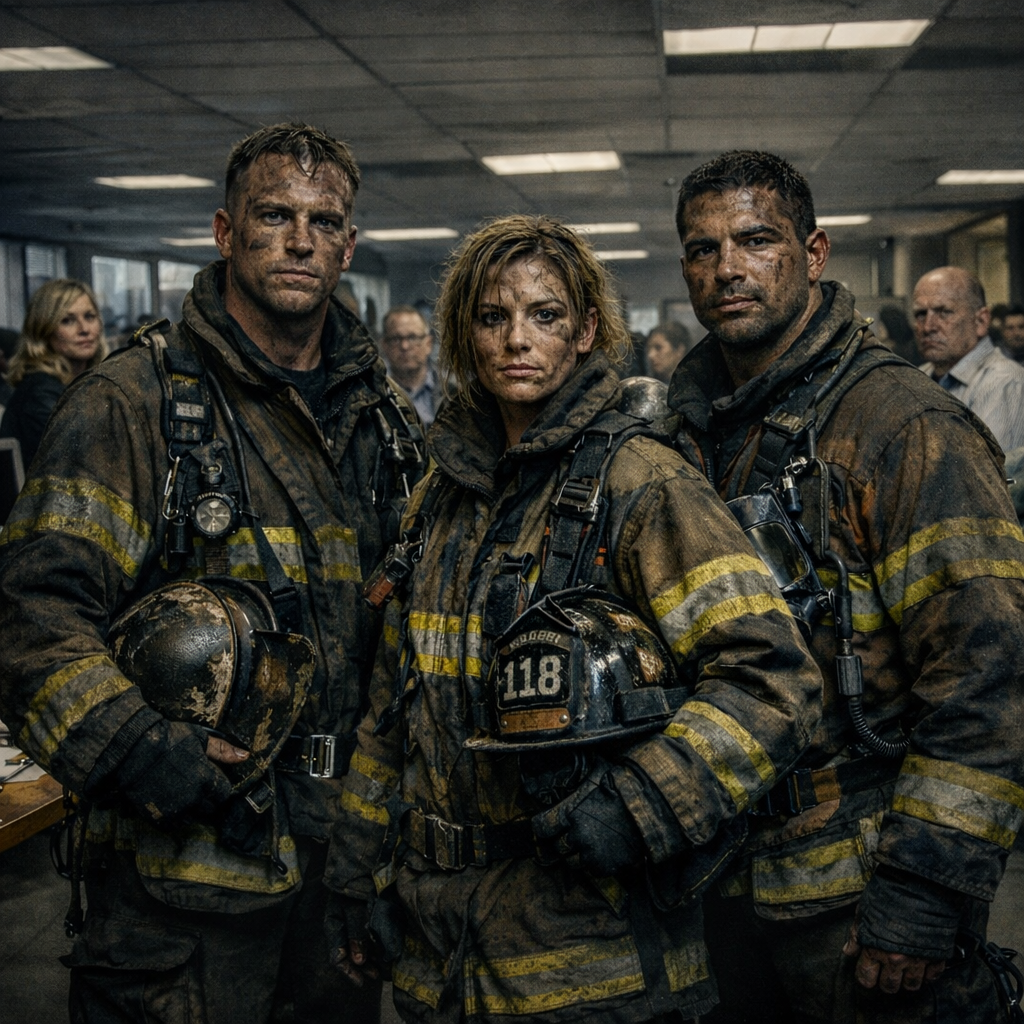
Firefighting gets a bad reputation, but that’s too simplistic, it exists for a reason. People wouldn’t keep doing it if it didn’t work on some level.
Most organisations don’t set out to operate in constant crisis mode.
It creeps in slowly. A missed handover here. A workaround there. A system that almost works. Before long, the day-to-day reality becomes constant firefighting.
The problem is not firefighting itself. The fact that some people like doing and it becomes the default way work gets done is the real problem.
What firefighting gets right
Firefighting feels good because it aligns closely with how humans are wired.
| Firefighting | Process improvement |
|---|---|
| There is a clear problem | Ambiguous messy, complex problem |
| There is urgency | Lower priority |
| Visible progress | Slow, hidden progress |
You can see the impact of your effort almost immediately. In organisations where “normal” work is slow, political or ambiguous, a crisis can feel like relief. Finally, something concrete to solve.
Firefighting also creates belonging. The war-room pulls people together. Hierarchies flatten. Decisions get made. The people who can stay calm and act decisively become trusted and valued. Bosses and managers get involved in tactical problem solving, which they deeply miss doing.
In the short term, firefighting restores control. It cuts through noise and focuses attention where it matters most, right then and there.
Why some people love it
For many people, firefighting scratches deep psychological needs. It’s a big old dopamine hit.
It creates a sense of completion.
Problems have edges. You can finish them quickly. That is rare in knowledge work.
It offers recognition, fixers become heroes.
The boss always asks the same trusted people to solve the problem. That status is earned, not imagined.
It strengthens identity.
Being “the one who can handle pressure” is a powerful self-image, especially in environments that otherwise feel chaotic.
And sometimes, firefighting is safer and easier than prevention. Redesigning a process, challenging a system or questioning long-standing decisions takes time, political capital and emotional energy. A crisis is urgent, visible and socially acceptable work.
Why others burn out or disengage
The same dynamics that energise some people, slowly exhaust others.
Firefighting is inherently interrupt-driven. Plans rarely survive the day. That constant context-switching drains attention and motivation.
It rewards symptoms rather than causes. When the same issues return again and again, people start to feel resentful, demoralised, or quietly cynical.
It creates unfairness. The same individuals are pulled into every incident, while improvement work gets deprioritised or postponed indefinitely. They are constantly asked to context-switch from one fight to another, which does their state of mind no good.
Over time, trust erodes. Blame creeps in and people become defensive. Chasms open between teams. Instead of learning, the organisation retracts and repeats.
The war-room illusion
War-rooms feel productive because they compress everything humans like about work into a short space of time: urgency, focus, teamwork and visible action.
But a war-room is a response mechanism, not an operating model.
When a state of crisis becomes normal, the organisation isn’t high-performing. It is compensating for fragility in its processes, systems, decision-making or ownership.
The real shift that matters
The goal is not to eliminate firefighting entirely. That would be unrealistic.
The goal is to make prevention feel as real and valued as response. Our LAMBS framework is a variation on a tried and tested methodology which works. [Lambs framework link].
- Listen - Understanding the Full Picture. We address root causes, not just symptoms. People, data, pain, context, strategy
- Align - Establishing shared understanding. Because without alignment, even the best solutions fail. Rules, exceptions, decisions, measures.
- Model - Testing and checks followed by feedback and refinements before committing to build. Process review, Prototype/demo, assess suitability.
- Build - Bringing solutions to life in a coordinated and controlled way. Data, systems, train, accept, go-live.
- Sustain - Ensuring your investment delivers long-term value and continuous improvement.Control, hypercare, measure ROI, adopt, recognise
At Bright Lambs, we work with organisations to move from reactive problem-solving to deliberate, sustainable improvement. Not by removing urgency, but by using it as a signal. Firefighting tells you where to look. Systems thinking tells you what to change.